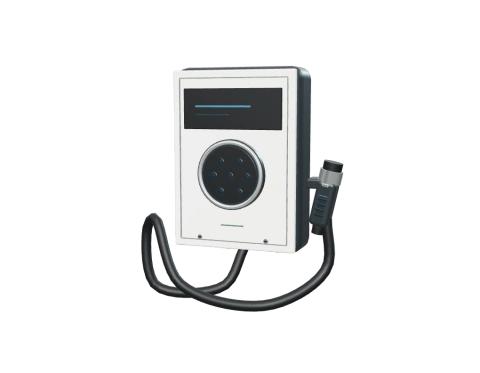
Parking position, charging routine and the existing electrical installation belong together. Prepare these questions before choosing a home charger.
Editorial team: Elektro Barin2 min readPublished:
Describe your charging routine first
Start with the vehicle and your daily routine. The ADAC identifies charging needs and a charging rate suited to the car as selection criteria. For the planning conversation, note when the vehicle is usually at home and whether a second vehicle is expected. A high number on a product page does not by itself describe the right solution.[2]
Look at the parking space in everyday use
The position of the vehicle's charging port affects where a wallbox is convenient. Park the car as you normally would. On a sketch, mark the proposed charger position, doors and walking routes. Also record whether the space is shared and who will use the charger.[2]
Is the charging port accessible in the normal parking position?
Where can the cable be stored neatly afterwards?
Which building surfaces may be altered?
Have the existing connection assessed
Germany's Bundesnetzagentur identifies the existing installation, connection capacity and possible cable routes as matters for professional assessment. These determine the actual work required. A socket or visible cable is not evidence that a wallbox can be connected without further checks. Assessing the installation and carrying out connection work belong with the appointed specialist.[1]
Clarify responsibilities before ordering
Discuss who will involve the local network operator and which current registration or coordination steps apply. For rented spaces or shared ownership, identify the relevant decision-makers too. Use the Bundesnetzagentur guidance as a starting point and have the requirements confirmed for your particular connection in Germany.[1]
Which services and building work does the quotation include?
Should future expansion to other parking spaces be discussed?
Which operating instructions and installation records will you receive?