Electrical inspection: understanding the test report
A measurement needs context. Useful questions about the agreed scope, circuit identification and results when an electrical inspection is handed over.
Editorial team: Elektro Barin2 min readPublished:
One instrument, different tasks
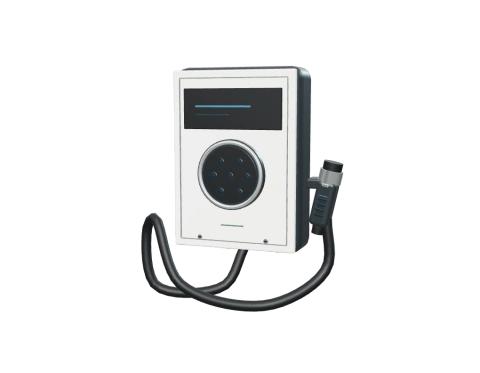
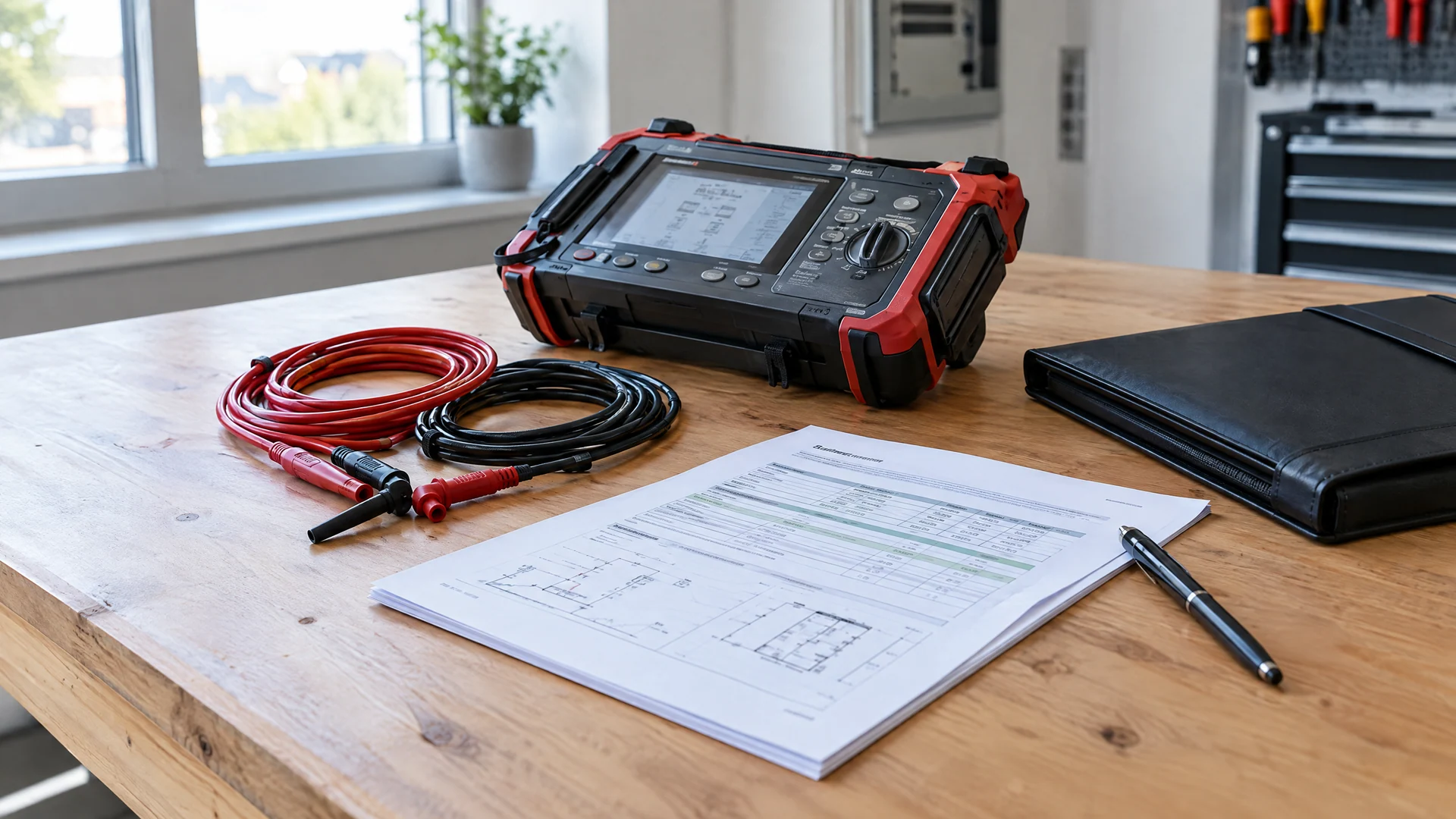
An installation tester such as the BENNING IT 200 supports different measurements, including insulation, loop impedance and RCD tests. The manufacturer also provides job organisation and reporting. Testing charging stations requires suitable optional accessories. The instrument's name therefore does not, by itself, describe the inspection that was agreed.[1]
Connect results to the inspected locations
The instrument's job manager can organise installation structures and planned measurements. At handover, ask to read one entry together: which part of the installation was considered, what was the measurement intended to establish, and how was its result assessed? Also ask how to find this entry again in the documents you receive.[1]
Describe the scope before the appointment
For a discussion about your building in Kassel, prepare a short inventory. Which rooms, distribution boards or charging points belong to the job? Are there existing documents, known faults or alterations? Also note who organises access and which interruptions need to be agreed. This gives the owner, property manager and electrical contractor a shared scope to discuss. Selecting and carrying out the electrical test procedures remains the qualified electrician's task.
Which areas are included, and which are expressly excluded?
Who receives the documents and explains unresolved points?
How will any follow-up work be agreed?
A report you can use later
Keep the report with the identification of the installation it concerns. Ask for unfamiliar abbreviations to be explained and agree how findings, questions and later changes will be documented. A clear starting point is more useful at a future appointment than a single photograph of a green display. Ask about the outcome of the agreed inspection, rather than only whether the instrument showed a successful individual measurement.